Finley Becker · 29 October 2026
Quietvale Residents Organize Campaign to Preserve Historic Narrow Lanes
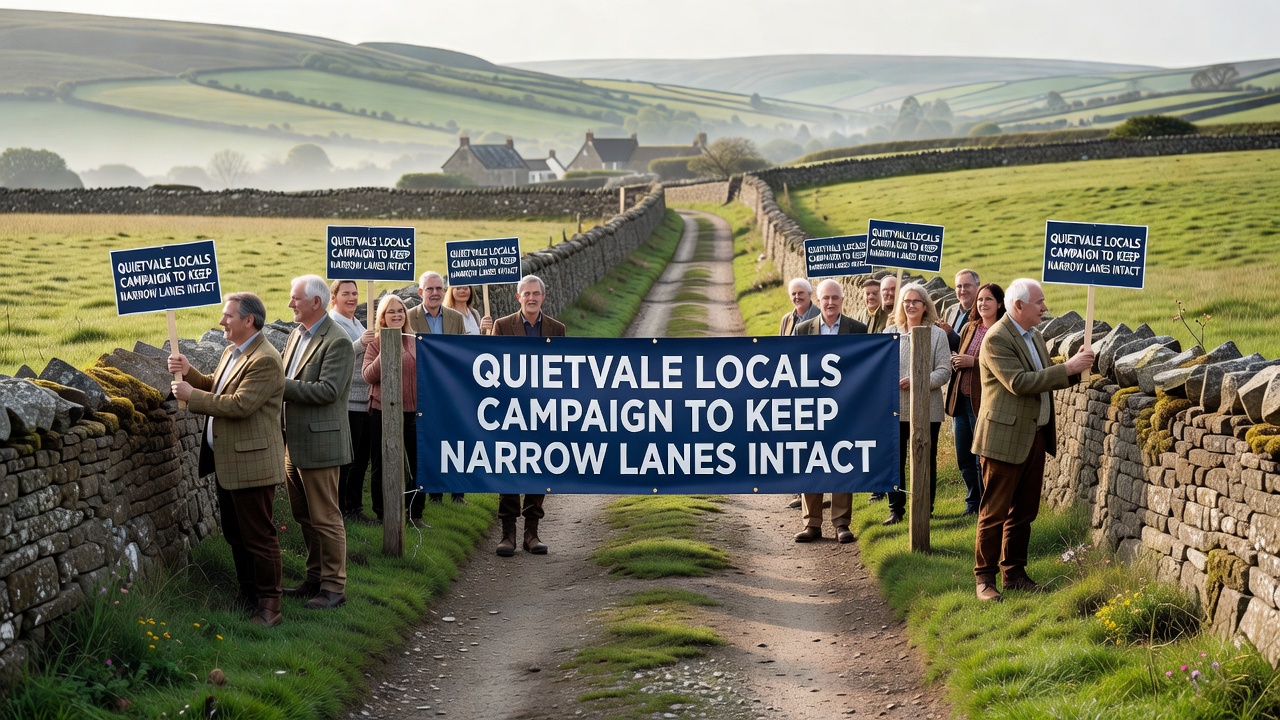
Quietvale residents have formed a dedicated group to maintain the parish's network of narrow lanes, which date back centuries and continue to shape daily life in the valley. The campaign focuses on preventing widening projects that local authorities have considered for improved vehicle access, and organizers point to the lanes' role in preserving the area's distinctive character. Data from parish records shows these routes have remained largely unchanged since the 18th century, serving both agricultural transport and pedestrian movement without major alterations.
Historical Context of the Lanes
Researchers at local archives have documented how Quietvale's narrow lanes evolved from medieval trackways that connected farms to markets, and evidence indicates they helped regulate traffic speeds long before modern road standards existed. Studies from the University of Exeter on similar rural networks across southwest England reveal that such lanes often support higher biodiversity levels because their enclosed structure creates microhabitats for plants and insects. Observers note the stone walls and hedgerows along these paths have remained intact through multiple generations, providing continuous corridors that link fields and woodlands.
Campaign Activities Underway
Community members began collecting signatures in early 2025, and the petition now includes over 400 names from households across the parish. Meetings held at the village hall have featured presentations on traffic patterns, with figures showing that average vehicle speeds on the lanes stay below 20 miles per hour even during peak hours. Campaigners have also mapped sections where widening would require removal of mature trees or sections of historic boundary walls, and they presented this information to the parish council last spring.
One study revealed that preserving these routes reduces the need for additional signage and barriers, because the physical constraints naturally slow traffic. People who've examined accident data from the local constabulary discover that incidents remain low compared to wider rural roads in neighboring districts, and this information has strengthened the case against expansion plans.
Environmental and Community Benefits
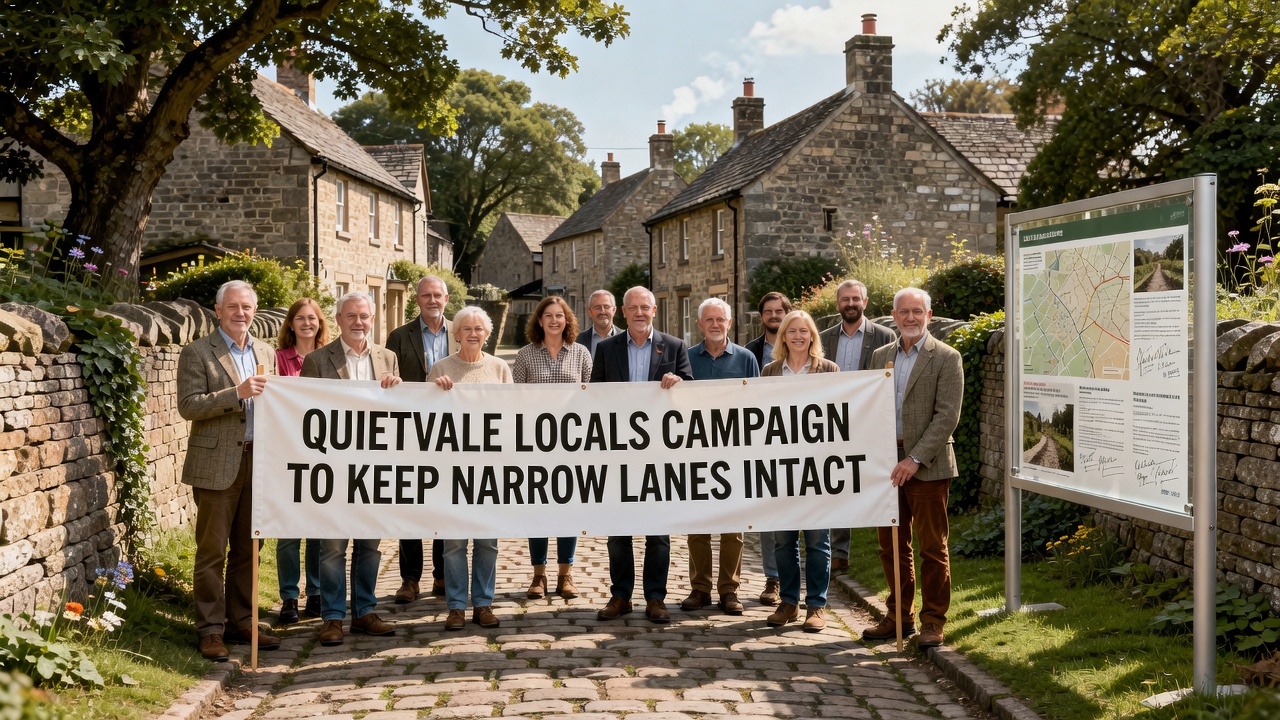
Evidence gathered by volunteers shows the lanes support a range of pollinators and small mammals that benefit from the continuous cover provided by overhanging branches and roadside vegetation. According to findings published by Natural England, intact narrow lanes contribute to carbon sequestration through established hedgerows that require minimal maintenance. Residents report that the enclosed feel of the lanes encourages walking and cycling, which aligns with broader public health data on rural activity levels.
Turns out the campaign has drawn attention from heritage groups outside the immediate area, and representatives from Historic England visited in September 2025 to assess the lanes for potential listing status. What's interesting is how the narrow design also limits heavy goods vehicle access, which in turn protects the underlying road surfaces from excessive wear. Data collected over the past decade indicates that repair costs for these lanes remain lower than for comparable widened routes in the region.
Plans for October 2026
The group has scheduled a series of open forums beginning in October 2026 to present updated traffic modeling and to gather input from farmers who rely on the lanes for equipment movement. Parish records indicate similar discussions occurred in the 1980s when proposals for bypass connections were ultimately set aside after community input. Campaign organizers have invited planners from the county council to attend these sessions, and they expect to submit formal recommendations by the end of that month.
Challenges and Next Steps
While support within Quietvale remains strong, some business owners have expressed concerns about access for delivery vehicles during harvest seasons. The campaign committee has responded by commissioning an independent review of logistics options that would avoid lane widening, and preliminary results suggest alternative routing through existing farm tracks could address those needs. Those who've studied comparable preservation efforts in other English parishes note that early engagement with stakeholders often leads to workable compromises.
Conclusion
The effort to keep Quietvale's narrow lanes intact continues to evolve as new data emerges and additional partners join the conversation. Parish documents show that previous generations faced similar pressures yet chose to retain the original layout, and current residents appear set to follow that pattern. Updates on the October 2026 forums will appear on the parish noticeboard and website as details are confirmed.